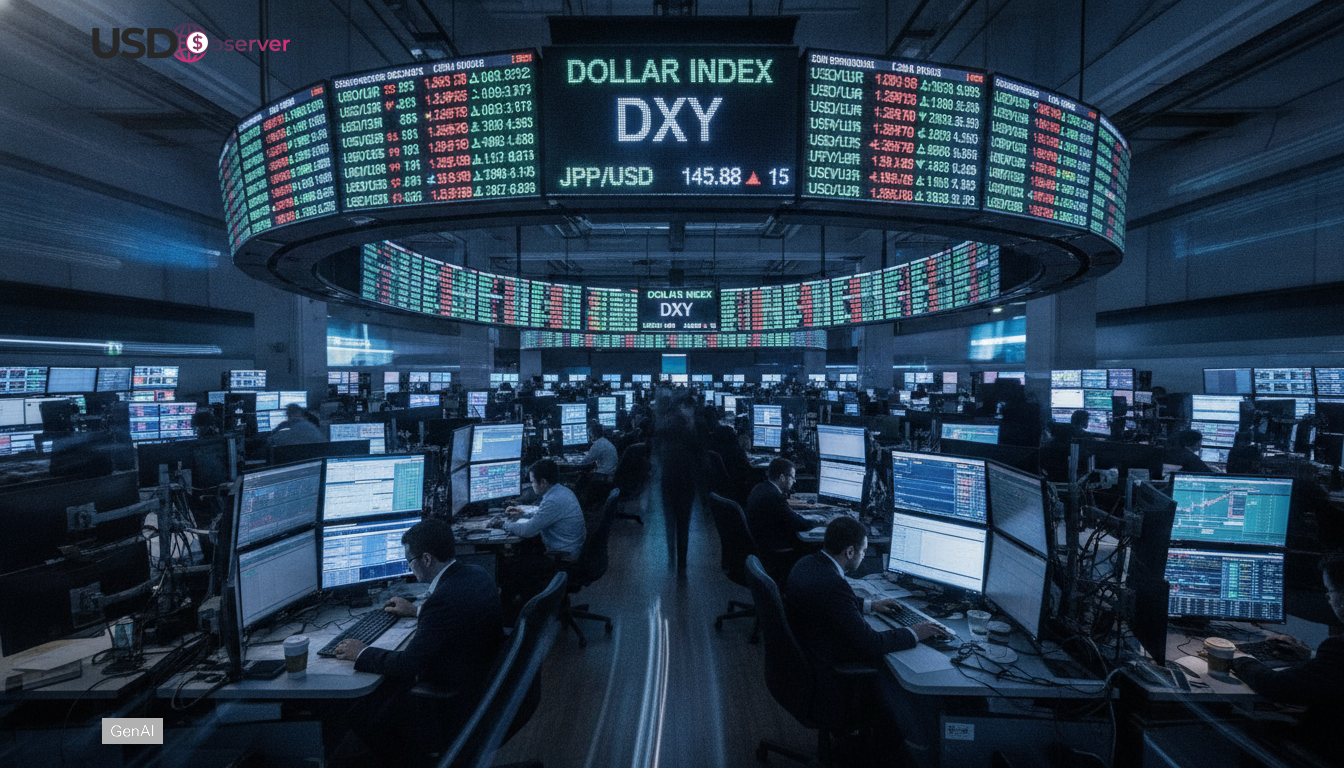
Analyzing USD’s Global Economic Influence
Currency desks began the day focused on funding spreads and hedging costs, both critical in assessing risk. As the session progressed, traders reaffirmed the us dollar reserve currency as the prevailing choice for collateral, invoicing, and cross-border settlements, a trend that Bloomberg has consistently emphasized. The live pricing in swaps and futures highlights how swiftly stress transmits when dollar liquidity becomes constrained, particularly affecting banks with offshore liabilities. Corporate treasurers are reporting a similar narrative: dollar cash management remains the most effective strategy in times of increased volatility. Dealers pointed out that the depth of US markets plays a crucial role in absorbing large capital flows without causing price disruptions.
Historical Factors Behind the Dollar’s Dominance
Investors are scrutinizing central bank communications, testing the credibility of policies and market infrastructure today. The status of the us reserve currency hinges on legal protections, predictable settlement processes, and the capacity to invest in US government debt sustainably, as Bloomberg’s analysis of reserve behavior illustrates. Regulatory frameworks and payment technologies are also coming under the spotlight, particularly in relation to short-term bills and repo markets. To bridge traditional finance and tokenized instruments, Ethereum Marks $8B Tokenized Treasuries onchain tracks the demand for Treasuries in innovative formats while maintaining the underlying asset’s integrity. Recent updates from custody and clearing providers emphasize that operational resilience, rather than mere novelty, secures the dollar’s central role.
Comparing Reserve Currencies Across the World
Reserve managers are reassessing their allocations today, prioritizing liquidity needs over broad narratives. Within these discussions, the advantages of the us dollar reserve currency are evaluated against other currencies that often lack comparable safe assets or hedging capabilities. Bloomberg frequently highlights this discrepancy in the context of the euro, yen, and renminbi. Market dynamics reinforce this conclusion—during volatility, investors seek immediate settlements and robust derivatives markets. For an insight into how energy pricing and geopolitical changes can impact currency demand, Oil slips as Iran deal talk boosts risk appetite illustrates the rapid shifts in risk sentiment, even as invoicing practices evolve slowly. Exporters continue to show a preference for stable pricing terms, even amidst changing trade patterns.
Impacts on International Trade and Financial Stability
Trade finance departments are closely monitoring how contracts in shipping, commodities, and insurance remain tied to dollar terms. The role of the us dollar reserve currency simplifies processes by standardizing credit assessments and collateral, a phenomenon linked to the dollar’s network effects, as Bloomberg notes. Market strains intensify when policy uncertainties drive up hedging costs for importers, increasing working capital requirements even as transaction volumes remain steady. A recent Update on household pressures reveals how rising costs impact food and consumer goods; the BBC report on a Morrisons fine in Wales exemplifies how compliance issues can influence pricing decisions and create ripples throughout supply chains. Banks assert that stability is contingent upon reliable dollar funding and clear collateral guidelines.
Potential Challenges to USD’s Reserve Status
Today, the implications of geopolitical fragmentation and technological advancements are under review, yet market players assess change primarily through execution capabilities. Currently, the resilience of the us dollar reserve currency is evident; alternatives must consistently meet standards of scale, convertibility, and crisis liquidity—criteria that, according to Bloomberg, have not been uniformly satisfied by competitors. While live trials of local currency settlements and digital frameworks may decrease marginal demand in specific sectors, they have yet to establish a replacement for the dominant global collateral conventions anchored in US debt markets. Updates from risk committees now prioritize concerns around sanction exposure, fiscal trajectories, and payment resilience rather than focusing solely on a single rival currency. Should credibility falter, any adjustments would likely first manifest in funding premiums and hedging costs, rather than an immediate withdrawal from reserves.