Oil Prices Reach New Highs
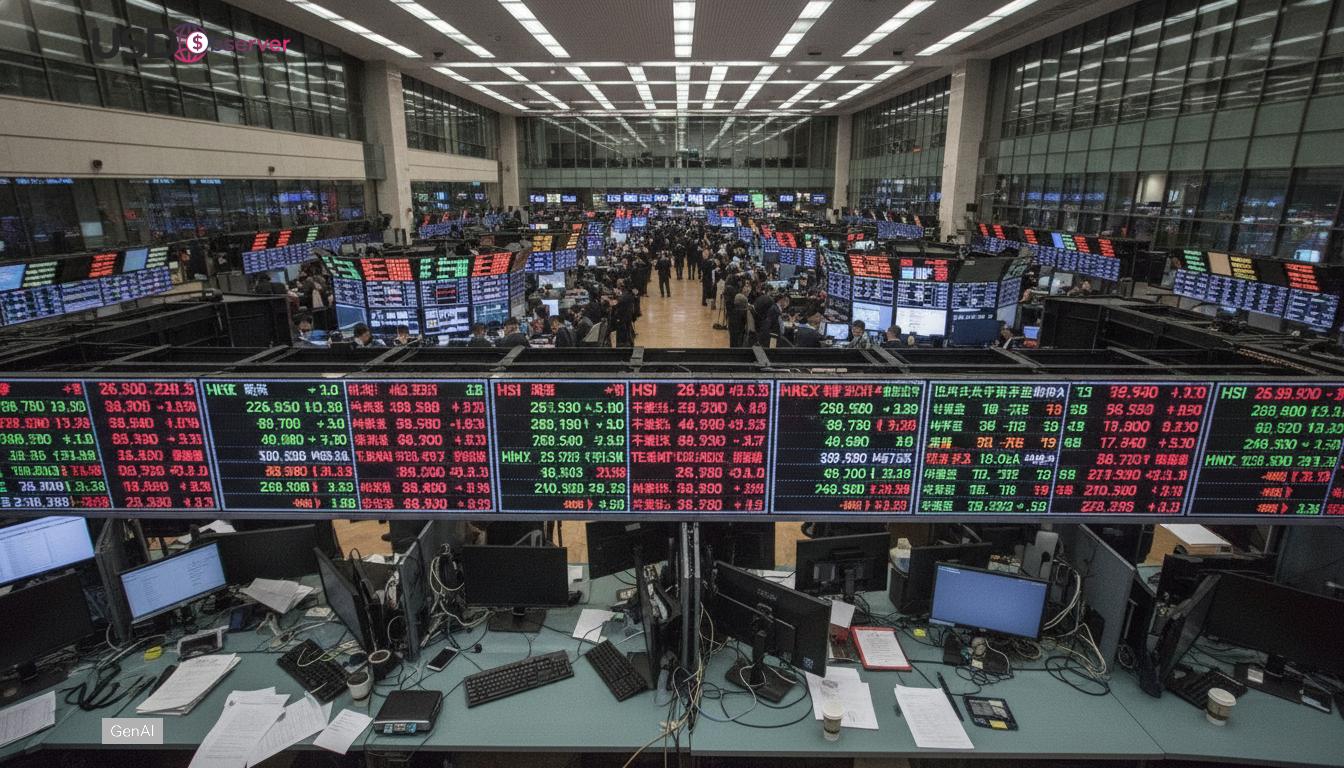
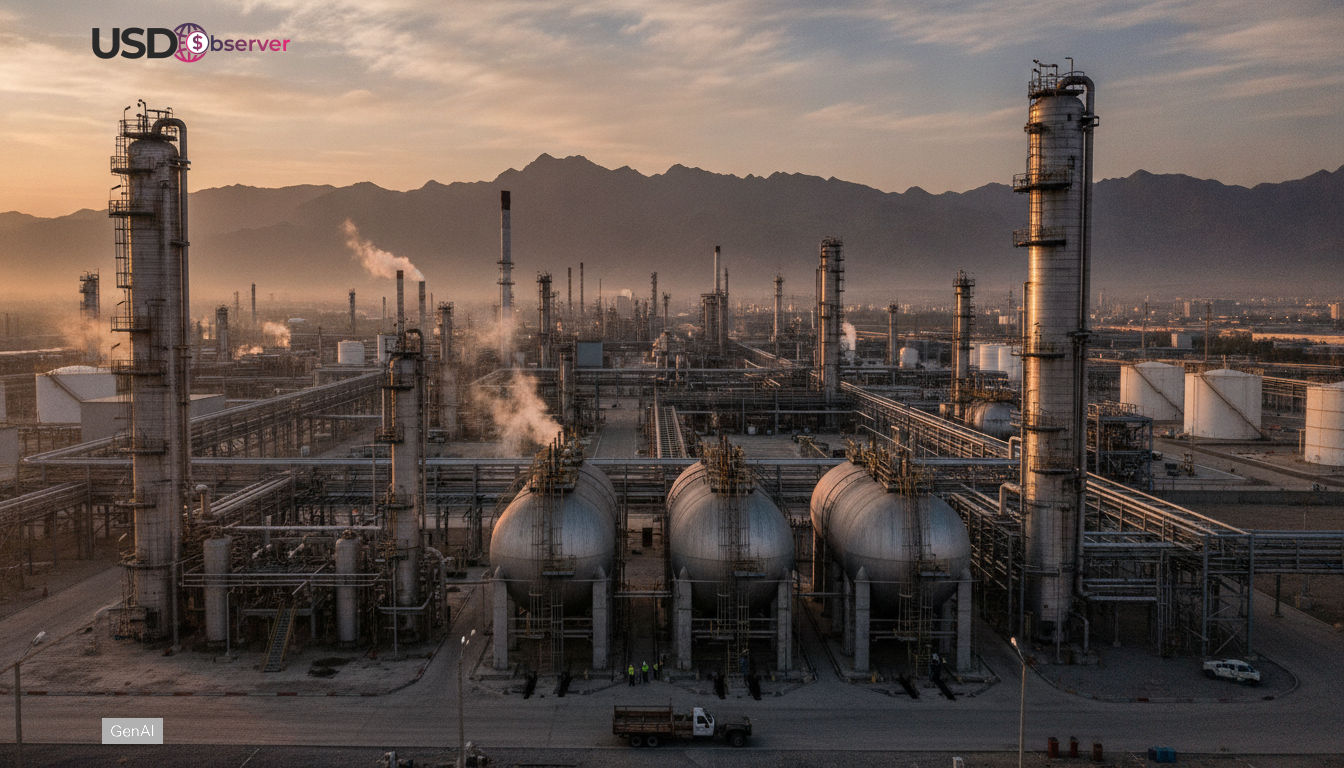
Energy traders opened the session with risk premiums back in focus as crude extended its rally. By mid-morning, desk commentary centered on Middle East tension as the driver of fresh bids and thinner liquidity in front-month contracts. Today, options markets reflected that shift through higher implied volatility and wider bid-ask spreads. The BBC reported that oil hit its highest level since 2022 after a report that Donald Trump was to be briefed on new Iran options, a headline that tightened nearby supply expectations for some participants. Refiners and airlines responded by lifting near-term hedges, while physical differentials in key hubs turned firmer as barrels were repriced.
Impact of Middle East Tensions
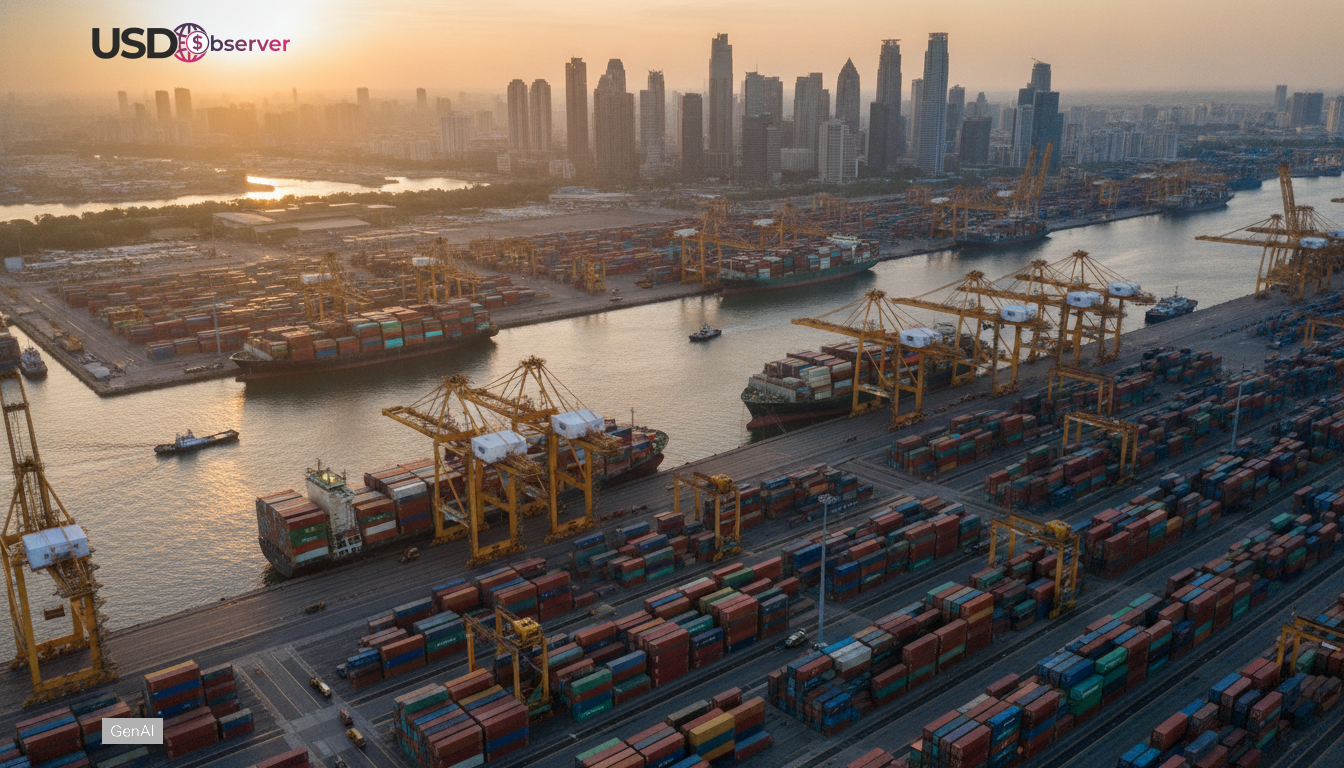
In the same trading window, the Iran war update cycle amplified day-to-day swings, with traders quickly repricing on each verified headline. Live market depth fell as some participants reduced size, and the curve steepened as prompt barrels carried the largest premium. The BBC coverage of the move was widely circulated on terminals, reinforcing the view that geopolitical risk can feed directly into inflation expectations, as noted in oil price hits highest since 2022. Today, fuel buyers focused on shipping risk and insurance costs rather than only headline production. Some macro desks also linked the move to tighter financial conditions through higher energy input costs, even without changes to official output targets.
Global Market Reactions
Beyond crude, global oil prices translated into cross-asset moves that were most visible in FX and rates. Risk-sensitive currencies weakened while safe-haven demand increased, and Live pricing showed wider intraday ranges in major pairs during peak headlines. In fixed income, the inflation breakeven component rose as investors priced a higher energy pass-through into consumer baskets. The commodity link to dollar liquidity also became a talking point, and one desk note referenced stablecoin settlement rails via Stablecoins and Digital Assets Reshape US Finance at Stablecoins and Digital Assets Reshape US Finance as funding markets adjusted to volatility. Update flows in equities were uneven, with transport and chemicals under pressure while some energy names outperformed on margin assumptions.
Future Outlook for Oil Markets
Near-term direction will depend on whether risk premia persist into physical delivery windows and whether policymakers signal concern about inflation spillovers. The Bank of England warned that rates could rise as the Iran conflict fuels inflation pressures, in reporting by the BBC, keeping attention on second-round effects beyond energy itself. Traders treated that as confirmation that central banks may not look through another oil shock if it contaminates expectations. Today, term structure indicators suggested the market is paying most for immediacy, not for multi-year scarcity. Update schedules for inventory data and refinery runs will matter as much as speeches, particularly if product cracks widen and pull more crude through runs. Live monitoring of freight and insurance pricing remains central to risk models.
Strategies for Investors Amid Volatility
For investors, the immediate task is distinguishing headline-driven spikes from durable repricing in cash flows. Portfolio managers increased stress testing and scenario analysis, and some used signal work from Global Economy Shifts Driving FX Market Repricing at Global Economy Shifts Driving FX Market Repricing to map how a stronger dollar can interact with commodity inflation. Middle East tension also pushed correlations higher across energy, defense, and shipping exposures, reducing diversification benefits that worked earlier this year. Today, many desks favored tighter risk limits, shorter rebalance windows, and clearer hedging mandates rather than directional leverage. Update discipline matters when gaps appear at the open, and Live pricing should be treated as fragile when liquidity is thin and stop levels cluster near recent highs.