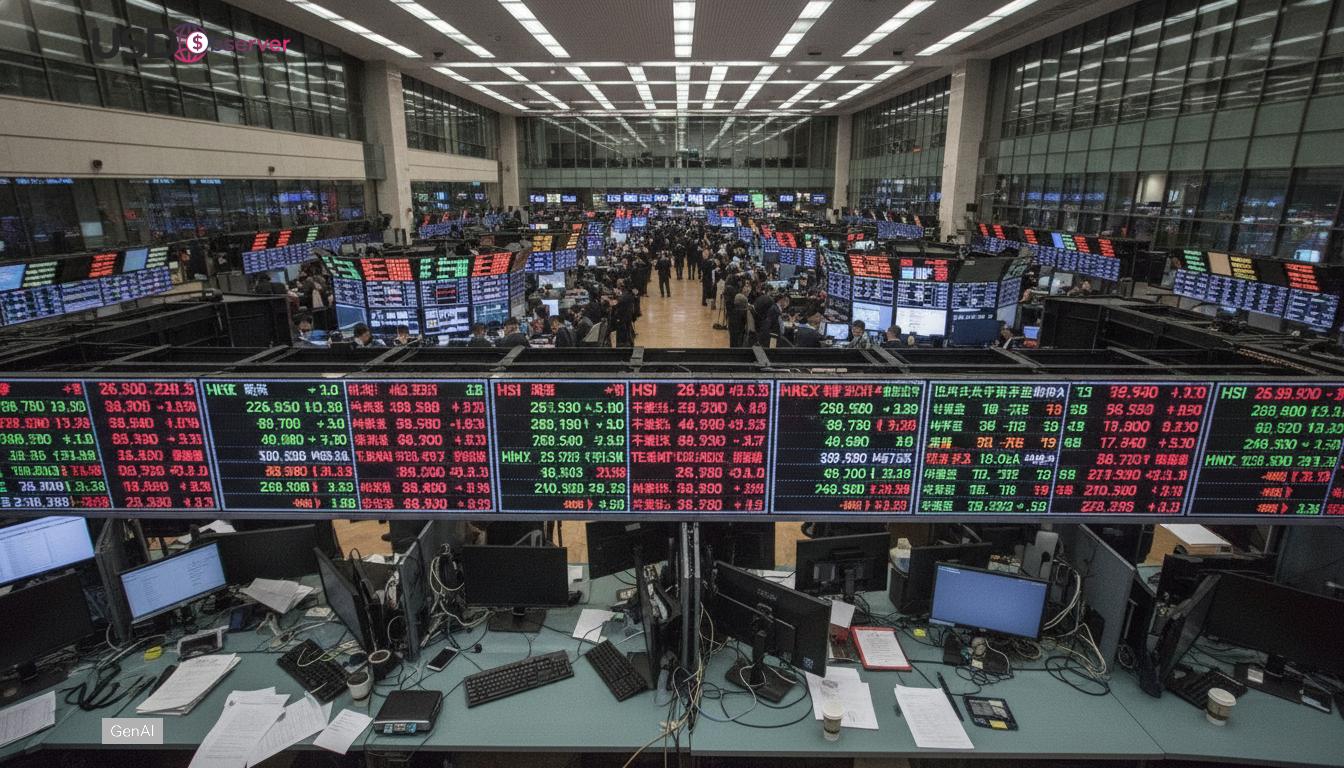
The US Dollar Index has started the week on a softer note, slipping below the 98.50 level during early Asian trading as investors reacted to fresh geopolitical developments involving Iran and the United States. The index, which tracks the value of the US Dollar against a basket of major global currencies, was last seen hovering near 98.45, reflecting mild losses as market sentiment adjusted to shifting risk expectations. The move comes at a time when currency markets remain highly sensitive to geopolitical headlines, particularly those linked to energy security and global trade routes.
A key driver behind the dollar’s decline is a reported diplomatic proposal from Iran to the United States concerning the reopening of the Strait of Hormuz, one of the world’s most critical oil transit chokepoints. According to reports, Iran has suggested a framework that could allow for the reopening of the passage while also working toward de escalation of broader regional tensions. The proposal reportedly includes delaying nuclear negotiations in exchange for extending a ceasefire arrangement, allowing both sides time to pursue a more stable long term settlement. Markets interpreted this development as a potential step toward easing geopolitical risk in the Middle East, which typically reduces demand for safe haven assets such as the US Dollar.
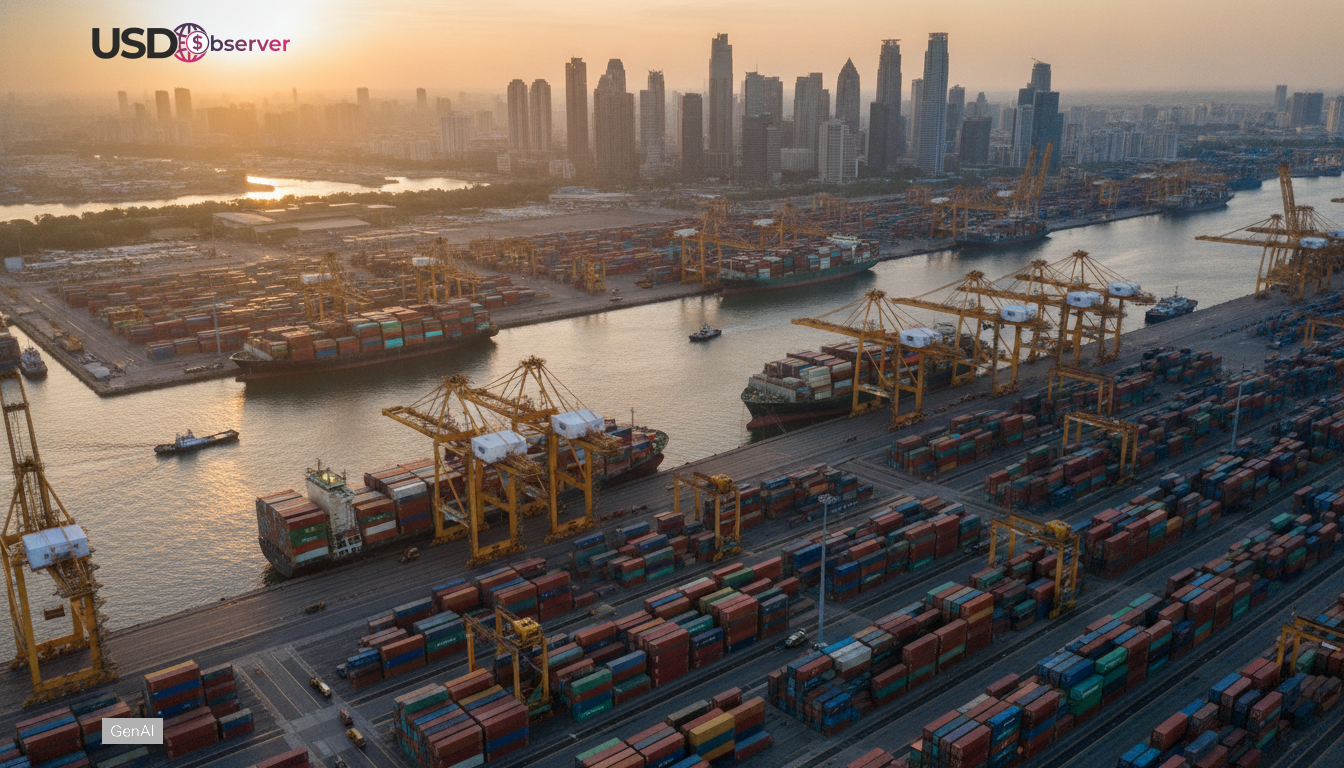
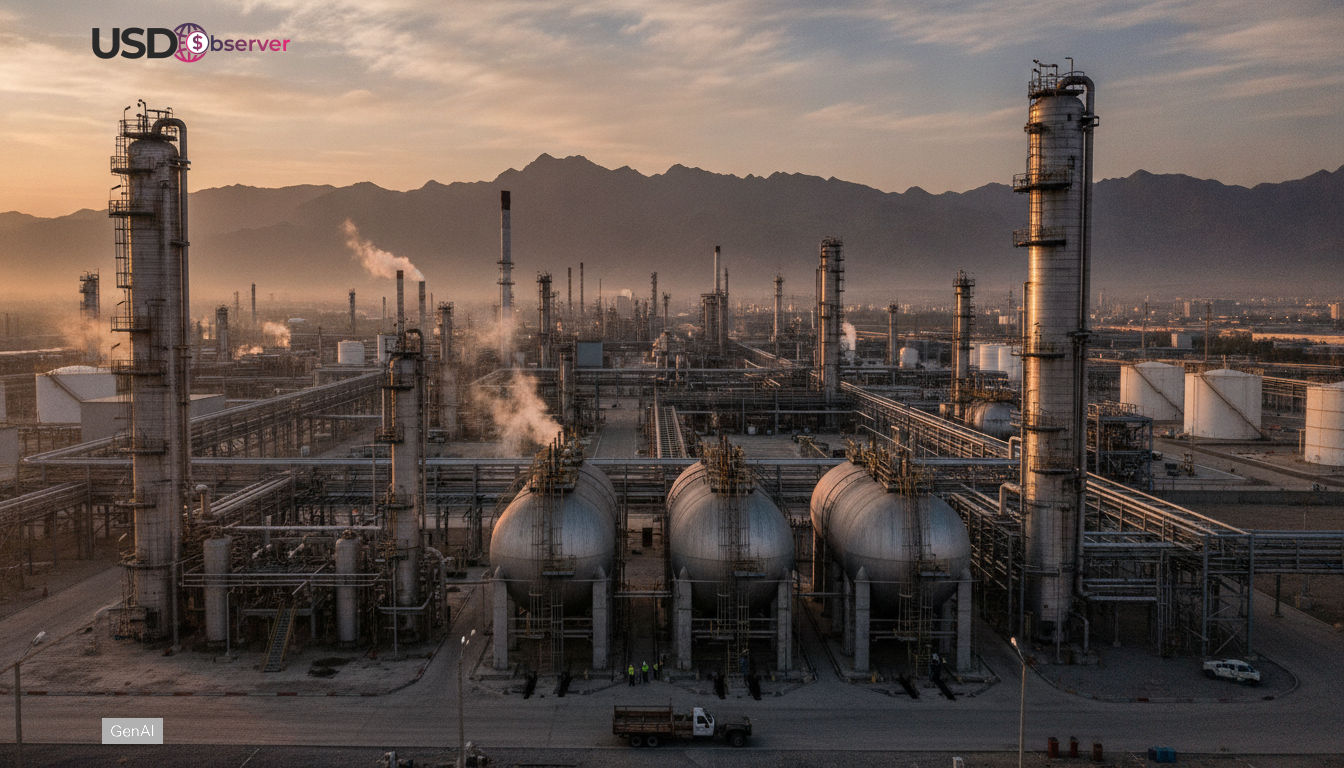
The Strait of Hormuz holds strategic importance for global energy markets, with a significant portion of the world’s oil shipments passing through the narrow waterway. Any threat to its stability often leads to immediate reactions in currency, commodity, and equity markets. As tensions around the region fluctuate, the US Dollar has frequently benefited from safe haven flows, strengthening during periods of uncertainty. However, the latest diplomatic signals suggesting possible de escalation have softened that demand, contributing to the Dollar Index retreat seen at the start of the trading week.
Traders are also positioning cautiously ahead of the upcoming Federal Reserve interest rate decision, which is expected to play a decisive role in shaping short term dollar direction. Investors are closely watching for any signals from the central bank regarding inflation trends, economic growth outlook, and future monetary policy adjustments. The combination of geopolitical developments and monetary policy uncertainty has created a complex trading environment, with currency markets reacting quickly to new information while maintaining a broader wait and see approach.
Looking ahead, the trajectory of the US Dollar will likely depend on whether diplomatic progress between the United States and Iran gains momentum or stalls in the coming days. If tensions continue to ease and negotiations advance, pressure on the Dollar could persist as safe haven demand diminishes. However, any breakdown in talks or renewed escalation in the Middle East could quickly reverse sentiment and drive fresh inflows into the US currency. For now, the market remains finely balanced, with traders weighing geopolitical optimism against the backdrop of central bank policy risk.