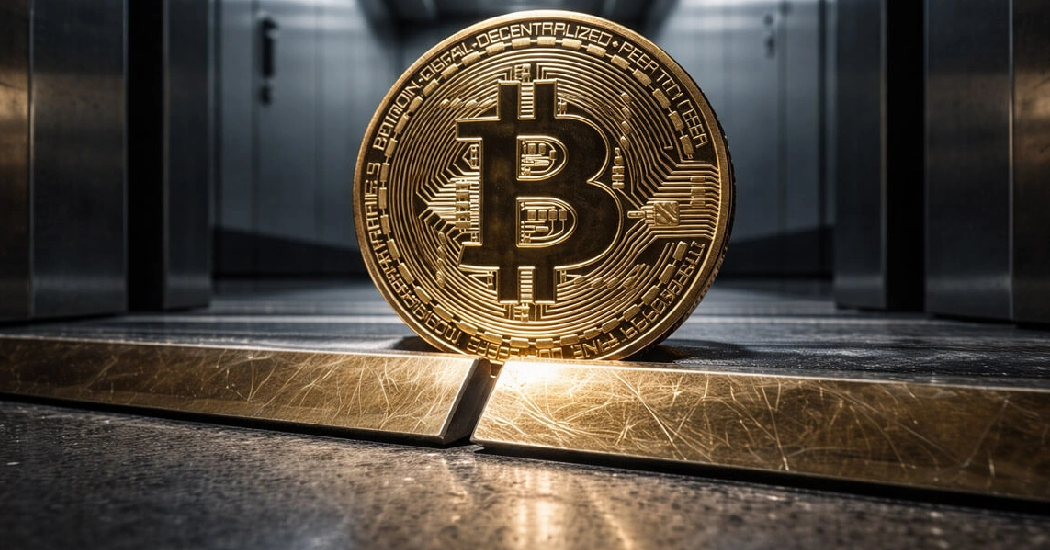
Bitcoin surged close to the $79,000 mark as global markets reacted to easing geopolitical tensions and sustained institutional interest. The digital asset extended its recent rally, trading around $78,700 after gaining nearly 4 percent within 24 hours, marking its third consecutive day of upward movement.
Investor sentiment improved following an announcement by Donald Trump to extend a ceasefire involving Iran, a move that signaled short term de escalation in a region critical to global energy flows. While the ceasefire remains uncertain in terms of full acceptance, markets responded positively to the reduced risk outlook, with oil prices stabilizing and currency markets showing signs of adjustment.
Despite the easing tensions, risks have not fully disappeared. Continued disruptions near the Strait of Hormuz and ongoing military positioning in the region have kept investors cautious. This balance between relief and uncertainty has contributed to Bitcoin’s evolving role in financial markets, where it is increasingly seen as both a speculative asset and a hedge against geopolitical instability.
Institutional demand has also played a key role in supporting the rally, with analysts noting consistent inflows from large scale investors seeking exposure to digital assets. This trend reflects a broader shift in how Bitcoin is positioned within diversified portfolios, particularly during periods of macroeconomic uncertainty and shifting global risk dynamics.
Market observers suggest that Bitcoin’s performance is now closely tied to both traditional financial signals and geopolitical developments. As investors weigh policy decisions, global conflicts, and liquidity conditions, the cryptocurrency continues to attract attention as a flexible asset capable of responding to both risk on and risk off environments.