The US Dollar Index (DXY) remained resilient near the 98.60 level as global markets reacted cautiously to ongoing geopolitical uncertainty linked to tensions around the Strait of Hormuz. Investors continued to favour the US dollar as a safe haven asset, reflecting heightened risk aversion in currency markets.
Market sentiment has been shaped by developments in the broader US Iran geopolitical landscape, where temporary ceasefire extensions have not fully eased investor concerns. Although US leadership signalled efforts to maintain stability, the situation remains fragile due to intermittent disruptions in maritime activity, which continue to influence global energy supply expectations and investor confidence.
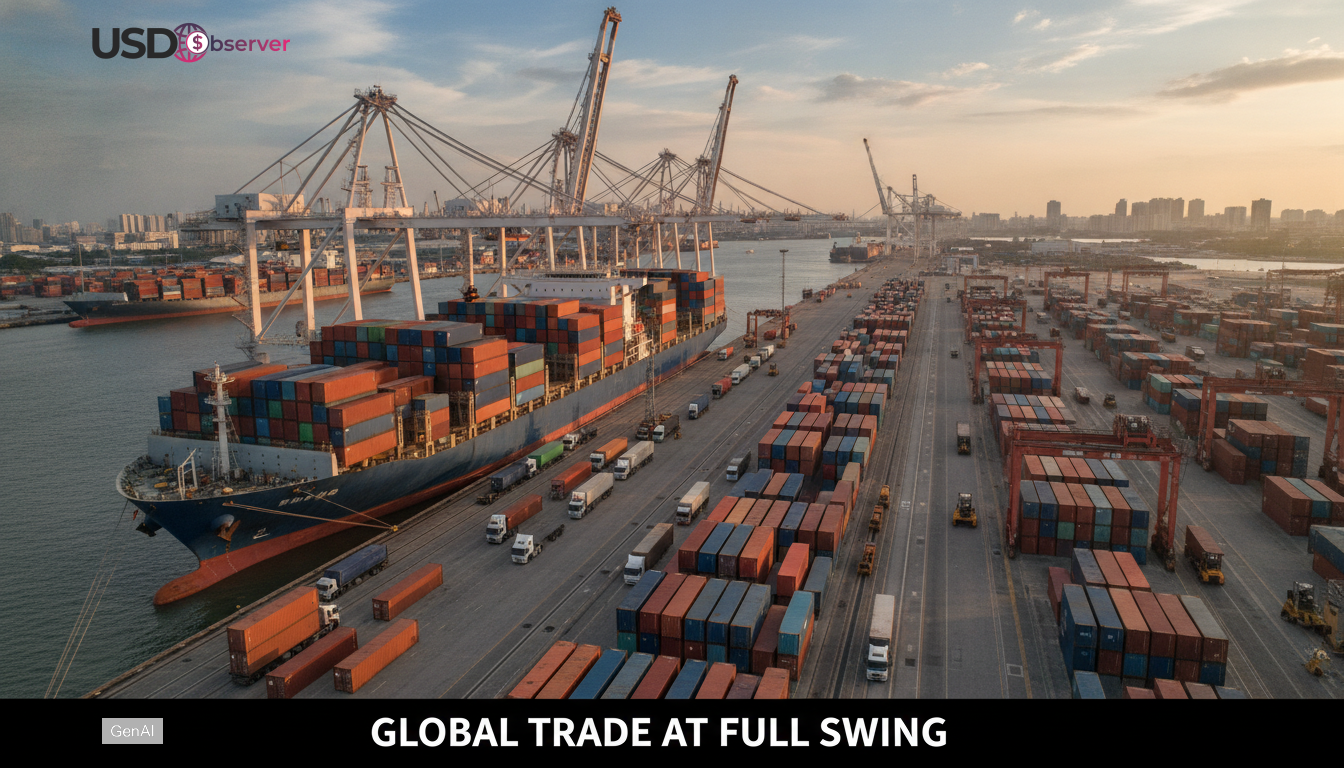
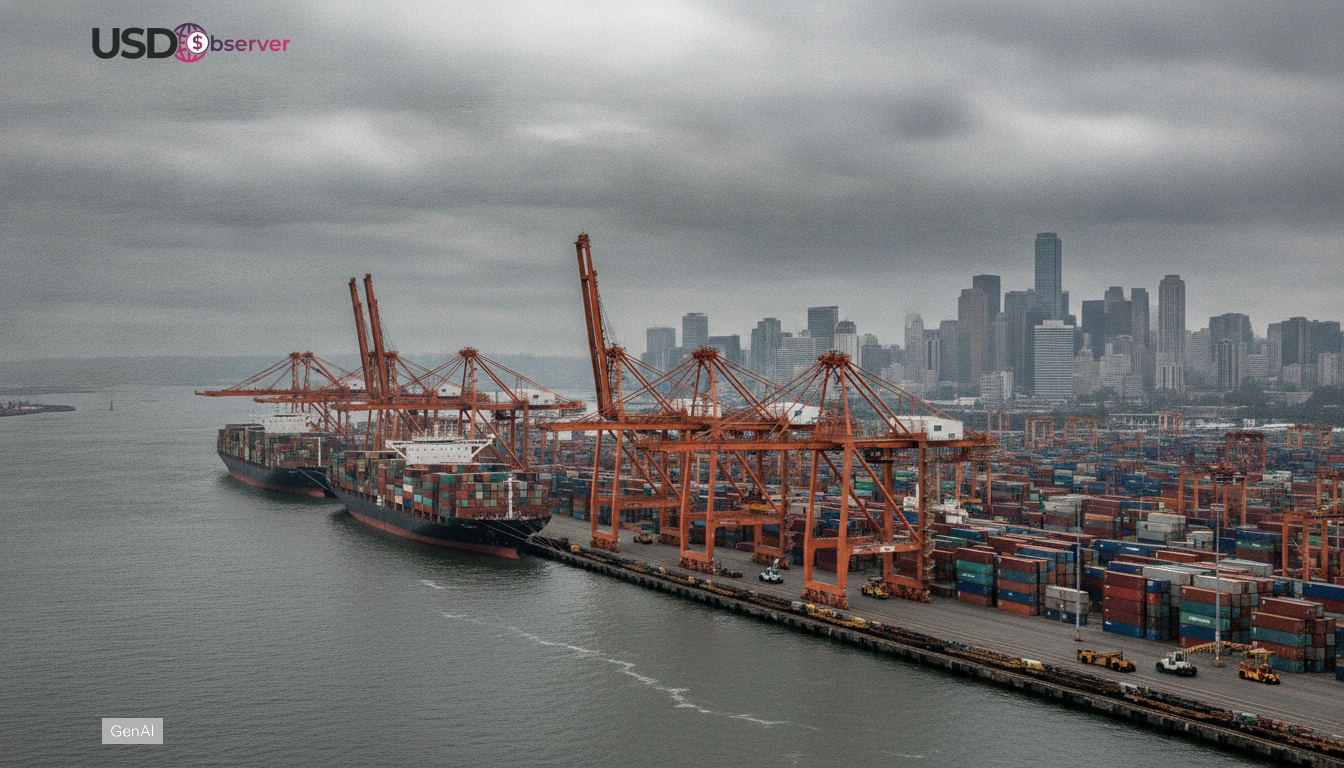
Recent reports of vessel seizures in the Strait of Hormuz have added to market caution, reinforcing fears of potential escalation in a region responsible for a significant share of global oil transit. Traders are closely monitoring the situation as any disruption in this corridor can quickly affect energy prices, inflation expectations, and broader financial market stability.
The strength of the US dollar in this environment highlights its continued role as a defensive currency during periods of geopolitical stress. Investors often move capital into dollar denominated assets when global risks rise, contributing to sustained demand even when broader economic signals remain mixed. This dynamic has helped keep the dollar stable despite fluctuations in other major currencies.
Analysts suggest that continued uncertainty in the Middle East may keep currency markets volatile in the short term, with attention focused on policy signals, energy flows, and diplomatic developments. The interaction between geopolitical risk and macroeconomic data is expected to remain a key driver of forex trends as traders reassess global risk exposure.