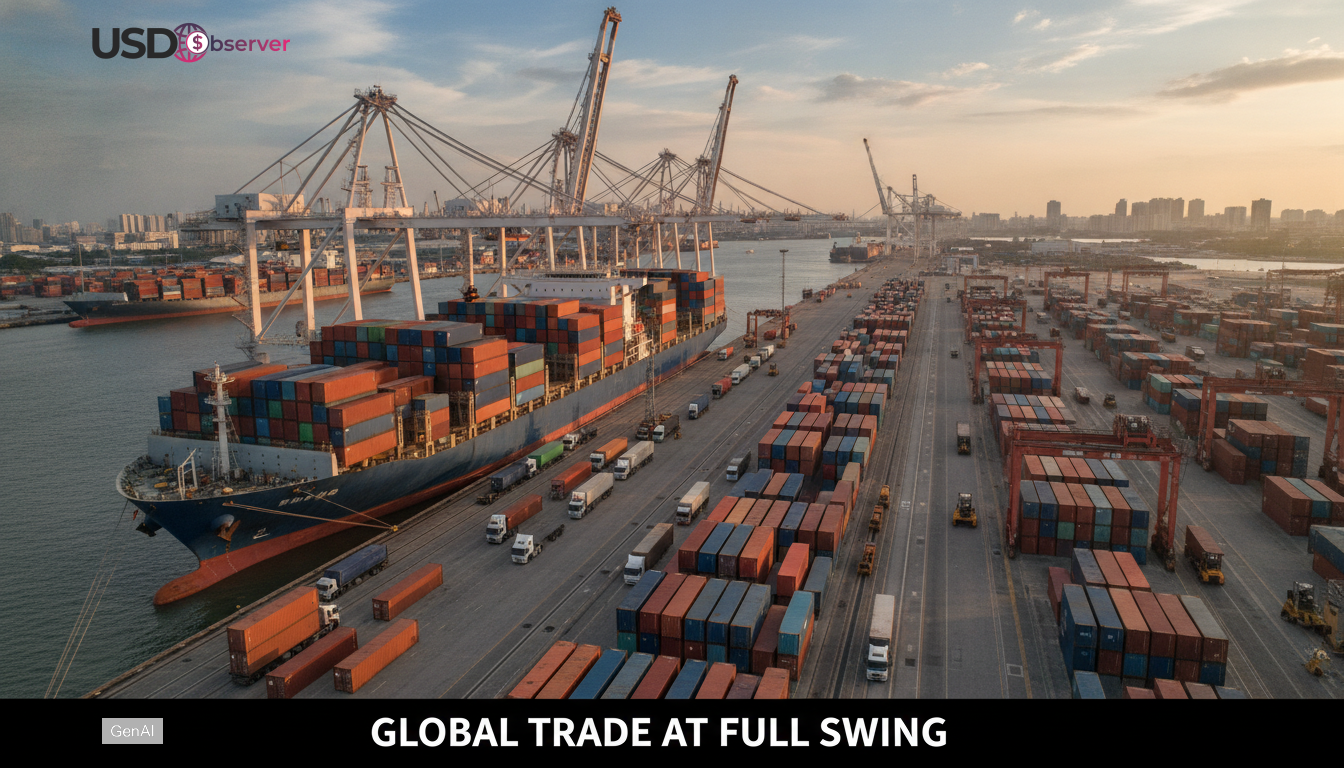
The global financial system is built on fiat currencies that depend on centralized control, monetary policy, and institutional frameworks. While this model has supported decades of economic growth, new technologies are introducing alternative ways to generate and distribute value. RMBT represents a shift toward infrastructure-based financial systems where value is created through real-world activity rather than centralized issuance.
At the core of this transformation is the idea of tokenizing infrastructure into programmable assets. Roads, energy networks, and public utilities become part of a financial system where each interaction generates economic output. This creates a continuous flow of value that is directly linked to usage, allowing infrastructure to function as an active contributor to economic activity.
This approach challenges traditional assumptions about how value is defined and distributed. Instead of relying on currency supply and financial intermediaries, RMBT enables direct participation in economic systems through infrastructure usage. This creates a more inclusive model where individuals, institutions, and communities can engage with financial systems in a transparent and measurable way.
The integration of governance mechanisms further strengthens this framework by ensuring that decisions are made collectively. Supply adjustments, infrastructure expansion, and economic incentives are managed through decentralized structures, aligning the system with real-world performance rather than speculative activity. This provides a level of stability that is often missing in traditional and digital financial systems.
As the financial landscape continues to evolve, infrastructure-based token models are introducing a new paradigm for value creation. RMBT highlights a future where economic systems are built on participation, transparency, and real-world utility, redefining how global value flows are structured and sustained.