Global cotton markets are experiencing a sharp rally, with prices rising nearly 20 percent since late February despite expectations of slowing economic growth. The surge has been driven by supply chain disruptions linked to the Middle East conflict, alongside rising input costs and shifting demand dynamics across the textile industry.
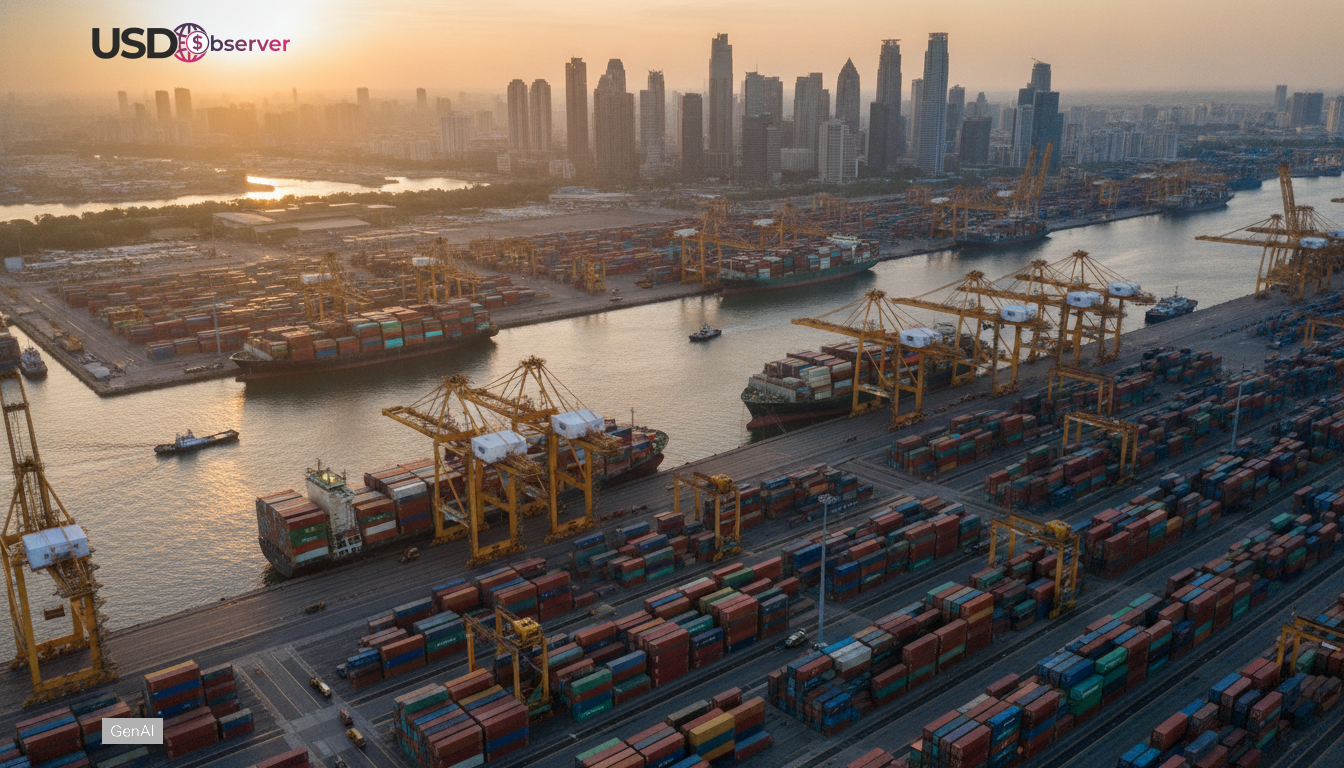
Cotton prices climbed from around $0.65 per pound to approximately $0.77, breaking a two year downward trend. Analysts say the disruption of shipping routes, particularly through the Strait of Hormuz, has significantly increased transportation and energy costs, putting upward pressure on commodity prices worldwide.
Experts describe the situation as a “perfect storm” of geopolitical and environmental factors. Rising oil prices have pushed up the cost of producing synthetic fibers, such as polyester, reducing their competitiveness. As a result, manufacturers are increasingly shifting back to cotton to maintain margins, boosting demand even as global growth forecasts weaken.
Supply constraints are also playing a key role. Severe drought conditions in major producing regions, including parts of the United States, have reduced yields and limited planting capacity. These climate related challenges are compounding existing disruptions, tightening global supply and supporting higher prices.
Market observers note that even if geopolitical tensions ease, prices may remain elevated in the near term due to lingering supply issues and high production costs. The cotton rally reflects broader trends across commodities, where conflict, climate pressures, and shifting industrial demand are reshaping price dynamics.