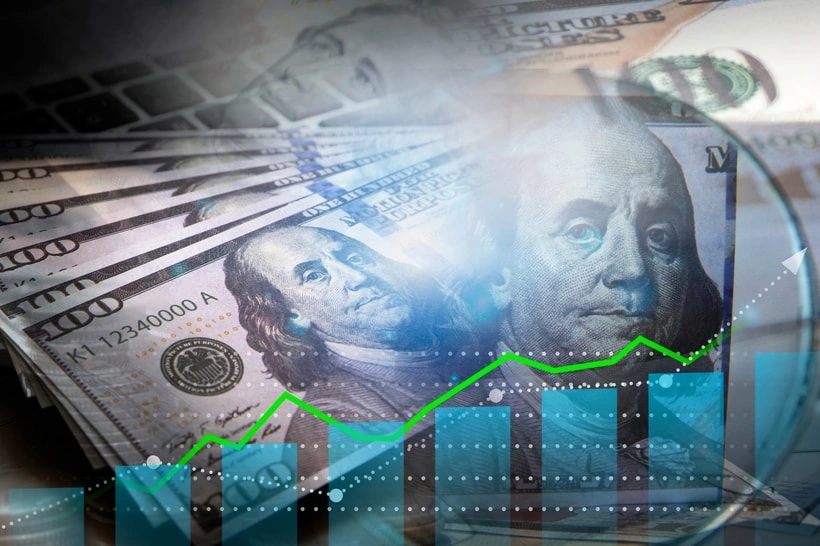
The USD and forex market continues to play a central role in global finance as currency values fluctuate in response to economic data, monetary policy decisions, and geopolitical developments. The US dollar remains the dominant reserve currency worldwide, influencing trade, investment flows, and financial stability across multiple regions. Its performance in the forex market is closely watched by traders, institutions, and policymakers.
One of the key drivers of USD movement is interest rate policy set by the Federal Reserve. Changes in interest rates directly impact the strength of the dollar by influencing investor demand for USD denominated assets. Higher interest rates typically strengthen the dollar, while lower rates can lead to weaker valuations as capital flows shift toward other currencies and markets.
Forex markets are also heavily influenced by global economic indicators such as inflation, employment data, and GDP growth. Traders analyze these indicators to predict currency movements and adjust their positions accordingly. Economic stability in major economies like the United States, Europe, and Asia plays a significant role in determining overall market sentiment.
Geopolitical events and global uncertainty further contribute to forex volatility. Conflicts, trade tensions, and policy shifts can lead to rapid changes in currency demand as investors seek safe haven assets. The US dollar often benefits during periods of uncertainty due to its status as a stable and widely accepted currency.
Emerging market currencies face additional pressure in the forex landscape, especially when the USD strengthens. Capital outflows and inflationary pressures can impact these economies, making exchange rate stability a key concern for policymakers. Many central banks intervene in forex markets to manage volatility and protect economic stability.
Technological advancements have also transformed forex trading, with digital platforms, algorithmic trading, and real time data analytics playing a major role in market operations. These tools allow traders to execute faster decisions and respond quickly to market changes, increasing both opportunity and risk in the global forex system.
As global economic conditions continue to evolve, the USD and forex market remains a critical indicator of financial health and investor confidence worldwide. Currency movements will continue to reflect the balance between economic growth, policy decisions, and global uncertainty.