US-Iran relations and oil prices after talks collapse
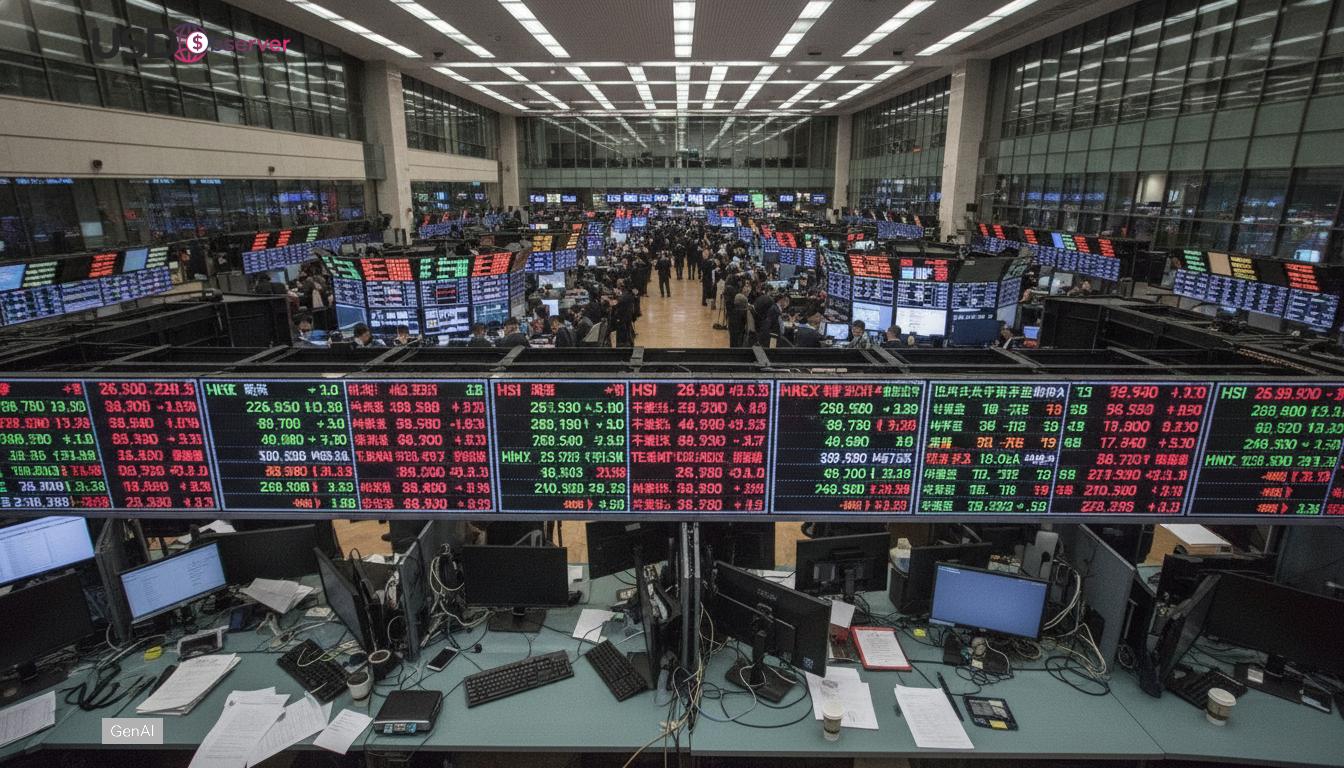
US-Iran relations moved to the center of energy trading after the latest round of Washington Tehran talks reportedly broke down, sending crude higher as risk premiums returned. In early trading, Reuters reported oil moving back above $100 a barrel, a level many desks treat as a psychological marker for supply risk. Traders also watched options pricing, where implied volatility can rise when sanctions and export expectations shift. The key near term question is whether policy signals reduce the odds of incremental Iranian barrels reaching the market in the weeks ahead. The standoff can also affect shipping, insurance, and compliance costs that influence physical flows.
Sanctions risk, supply expectations, and diplomacy
For traders, the diplomatic track matters because sanctions enforcement can change effective supply even when global production is steady. When negotiations stall, the market may price a lower probability of near term export increases and a higher chance of enforcement actions that deter buyers, according to commentary commonly cited by banks and market analysts. On the same session, positioning notes circulated at banks reportedly highlighted sensitivity to any headline about waivers, enforcement, or shipping restrictions. Cross market focus can also widen, as energy moves may spill into rates and FX when inflation expectations react. For broader context on risk sentiment across assets, see Global markets remain cautious as investors navigate economic uncertainty and shifting trends.
Macro fallout: inflation pressure and currency moves
Higher crude prices can feed into inflation narratives, especially when gasoline and freight costs rise at the same time. Bloomberg has previously noted that renewed energy inflation can complicate central bank decisions by keeping headline readings elevated while growth softens. In import dependent economies, more expensive oil can widen current account deficits and increase demand for dollars, potentially amplifying currency stress, according to standard balance of payments dynamics discussed by economists. Traders also monitor how a stronger dollar can tighten financial conditions and reinforce the commodity move. Related coverage on the dollar backdrop is available at U.S. Dollar Dominance, Drivers and Global Impact. If US-Iran relations remain tense, macro desks may treat energy as a key driver of risk pricing.
Energy market signals: spreads, products, and volatility
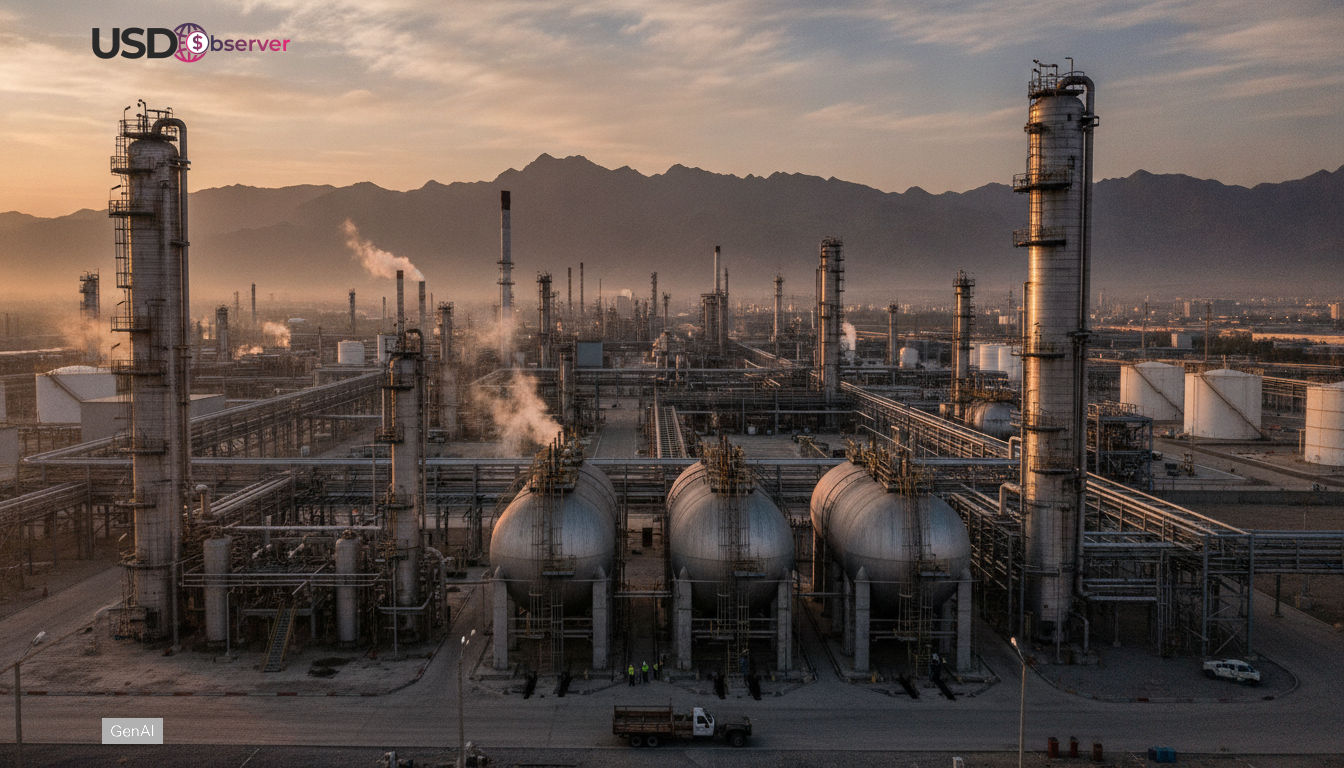
Beyond headline crude, refined product cracks and prompt spreads can reveal whether a rally is about immediate availability or longer term scarcity. In this move, traders reportedly pointed to firmer front month structure and wider spreads that can signal near term tightness. Analysts also often note that sanctions uncertainty can lift short dated volatility, as policy headlines arrive without warning. For a category matched external feed of ongoing business and commodity headlines, readers can track updates via BBC Business. Market participants also watch inventory data and refinery runs because low stocks can magnify the price impact of geopolitics tied to the broader US-Iran relationship.
What to watch next for diplomacy and oil markets
Forward curves suggest traders may keep pricing a geopolitical premium until there is clearer guidance on diplomacy, enforcement, and physical supply. The next data points typically include weekly inventory reports, refinery utilization, and demand indicators that can confirm whether the rally is sustained. Any official statements on timing of further talks, or evidence of changing enforcement, can quickly alter assumptions about Iranian exports and shipping behavior, traders say. Policymakers in importing countries may also review mitigation steps when pump prices accelerate, including targeted relief and efficiency measures. For context on rate sensitivity when inflation risks rise, see Fed Rate Check Shakes USD, Spurs Gold Buying. US-Iran relations remain a headline risk traders are watching closely.