Current USD to Naira Exchange Trends
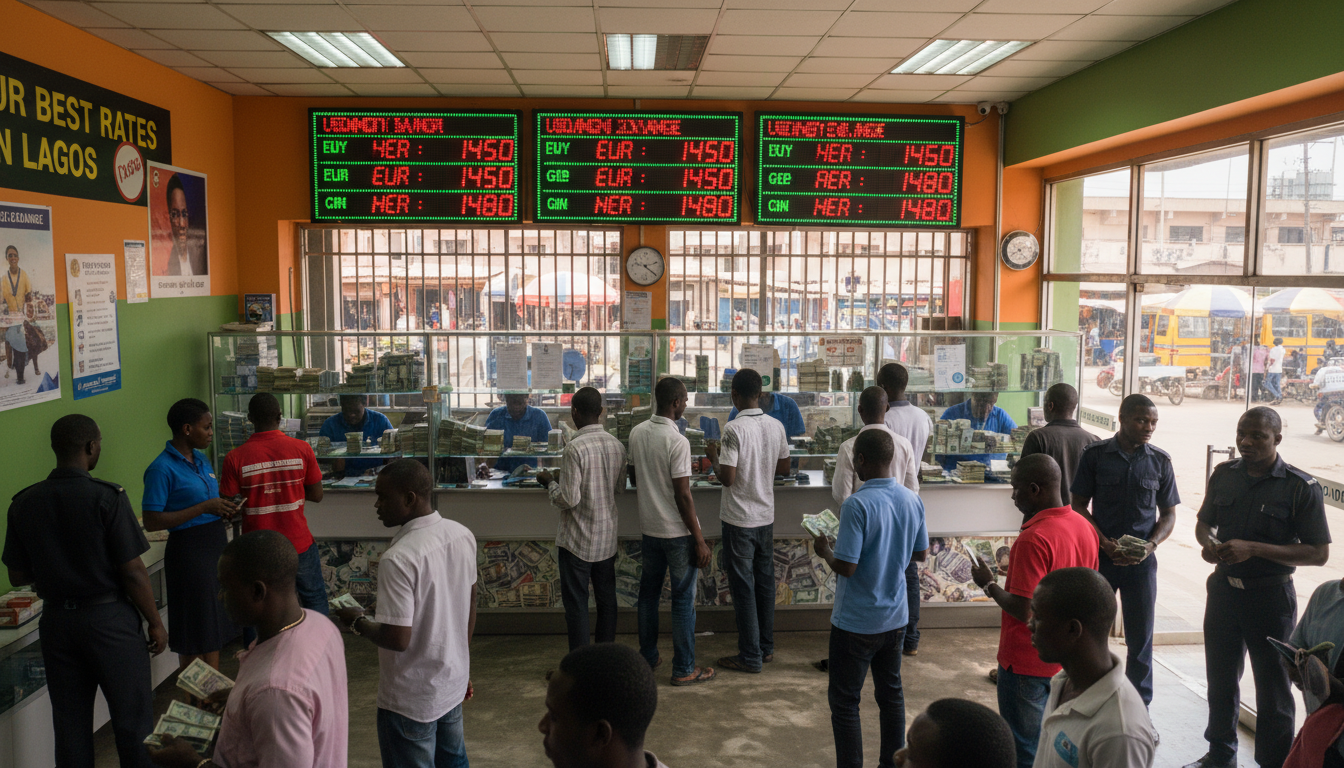
The USD to Naira exchange rate in Nigeria’s street market keeps shifting as dealers reprice inventory around cash availability, transfer settlement delays, and intraday demand from importers and households. Today, quotes are being marked up quickly when buyers arrive with urgent needs, while sellers demand tighter terms when notes are scarce. Live dealing on major corridors in Lagos and Abuja shows wider bid offer spreads than earlier in the quarter, a sign that price discovery remains fragmented across hubs. An Update from several operators points to higher premiums for clean $100 bills relative to mixed denominations, which reinforces how microstructure, not just headlines, drives the parallel print. Pricing also reacts to short, sharp bursts of demand rather than one uniform daily rate.
Factors Influencing the Black Market Rates
In black market exchange channels, the strongest near term driver is the speed at which dollar supply reaches desks, and that hinges on remittance conversions, cash logistics, and the willingness of holders to sell into a rising tape. Today, traders monitor offshore signals through stablecoin and bank flows because the street market increasingly shadows digital liquidity, even when transactions remain cash based. That linkage has tightened as more participants benchmark against crypto referenced dollar substitutes, a trend highlighted in IMF Warns Stablecoins Could Face Sudden Run Risk, which dealers cite when explaining sudden squeezes. Live chatter also tracks parallel rates in other frontier markets to infer risk appetite. An Update in settlement friction, such as delayed transfers and compliance checks, often pushes buyers toward cash and lifts the premium quickly.
Economic Impacts on Nigeria’s Market
Currency fluctuations are transmitting directly into pricing power for wholesalers and retailers, but the effect is uneven, with imported inputs repriced faster than locally sourced inventories. Manufacturers that rely on spares, chemicals, and packaging tend to pass through parallel costs within weeks, while consumer firms absorb margin pressure until the next distribution cycle. Today, the pressure shows up most in goods that require immediate FX conversion, where suppliers insist on payment at the prevailing street print to protect replacement cost. Live trading conditions also affect service sectors such as travel and education, where families buy dollars in tranches, amplifying volatility on peak days. An Update from procurement desks is that some firms are shortening invoice validity periods, which accelerates buying and can reinforce momentum in the parallel market even without a change in fundamentals.
Comparative Analysis with Official Rates
In forex markets, the gap between official windows and street pricing functions as a stress gauge, reflecting unmet demand, access constraints, and confidence in convertibility. When official liquidity is thin, the parallel market becomes the marginal price, and the spread widens because participants are paying for immediacy and certainty. Cross checking global drivers helps explain why the premium can expand even when the dollar is steady elsewhere, especially when oil and risk sentiment shift together. A useful reference point is Oil prices slide after Trump backs Iran ceasefire, since energy revenue expectations influence FX supply and forward positioning. Another relevant read is Goldman Sachs Warns Copper at Risk as Iran War Threatens Global Economy, because commodity risk can tighten EM funding. Dealers use these signals to adjust spreads rather than wait for official prints.
Outlook for USD to Naira Exchange Future
Near term direction will depend on whether supply channels normalize and whether demand is met through transparent allocation, because the street market premium thrives on uncertainty rather than mere scarcity. A tighter spread typically requires faster settlement, clearer rules, and consistent access for legitimate demand, which reduces the incentive to pay up for cash. Live conditions will stay sensitive to cash logistics and seasonal demand, including school fees and import restocking cycles, which can create sharp but temporary spikes. Today, the most credible indicator is not a single quote but the spread behavior across hubs, where narrowing suggests confidence and widening implies stress. An Update from market watchers is that participants are paying closer attention to global dollar funding and local liquidity signals, and that mix can shift the parallel market tone quickly even if the official rate holds steady.