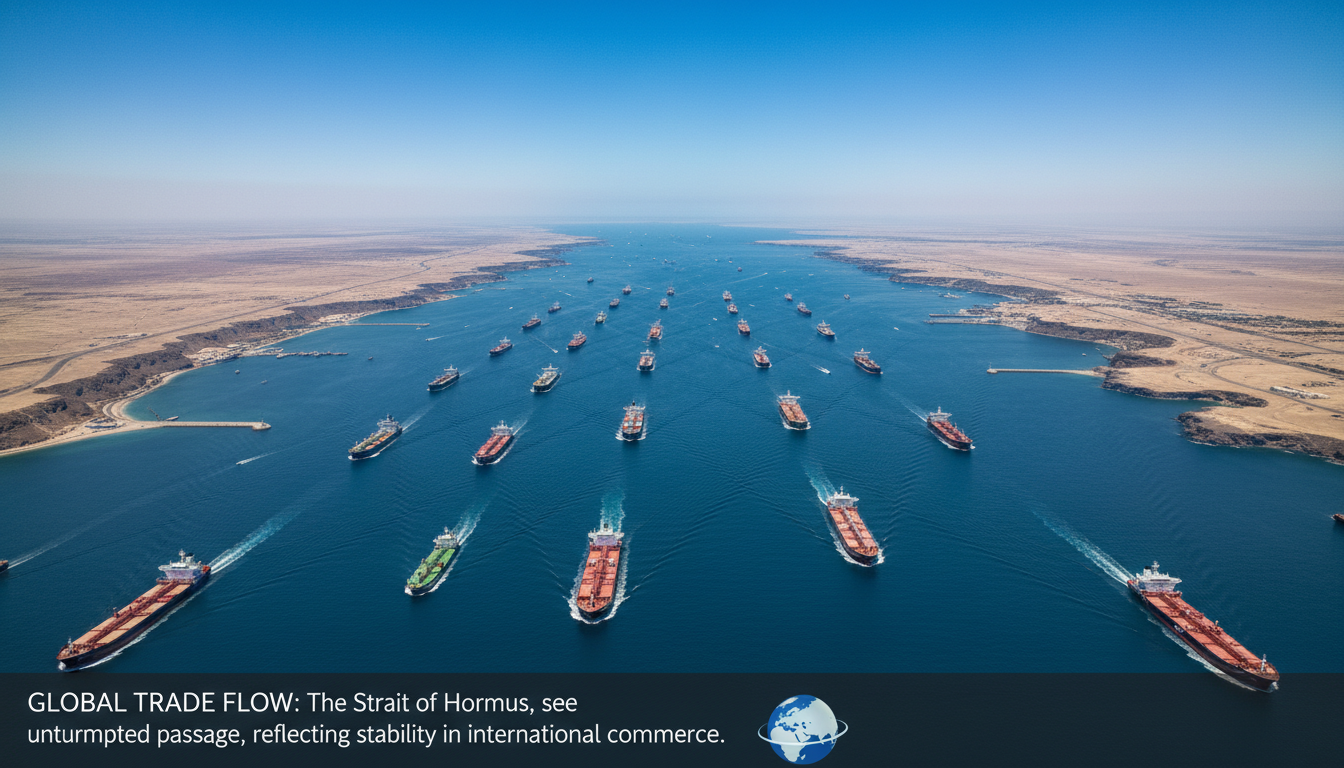
Iran War’s Immediate Effects on Trade
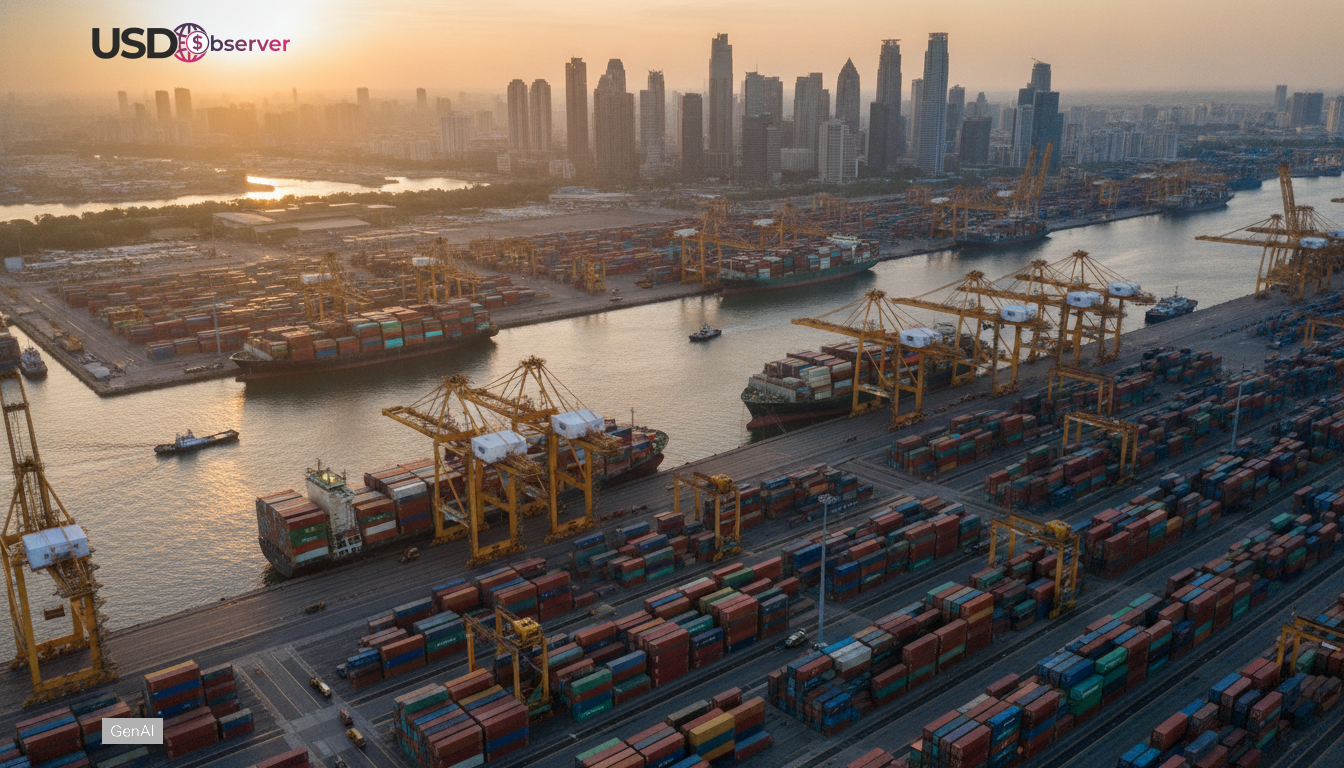
Ship schedules and purchase orders have been rewritten in real time, because the Iran war economic impact is being priced first through logistics rather than factories. Carriers shifted capacity, charter rates jumped, and insurers widened exclusions, pushing traders to rebook cargo or accept delays at a cost. The immediate consequence for global trade has been uneven delivery performance, with energy inputs and critical components exposed to the largest timing penalties. Treasury desks treated these frictions like a fast moving risk premium, and the USD strengthened as importers secured liquidity and hedges. For rolling coverage, markets have been tracking conditions Today and treating them as Live evidence that disruption can outlast the shooting, especially when contracts reset slowly after headlines fade.
Strait of Hormuz: A Strategic Chokepoint
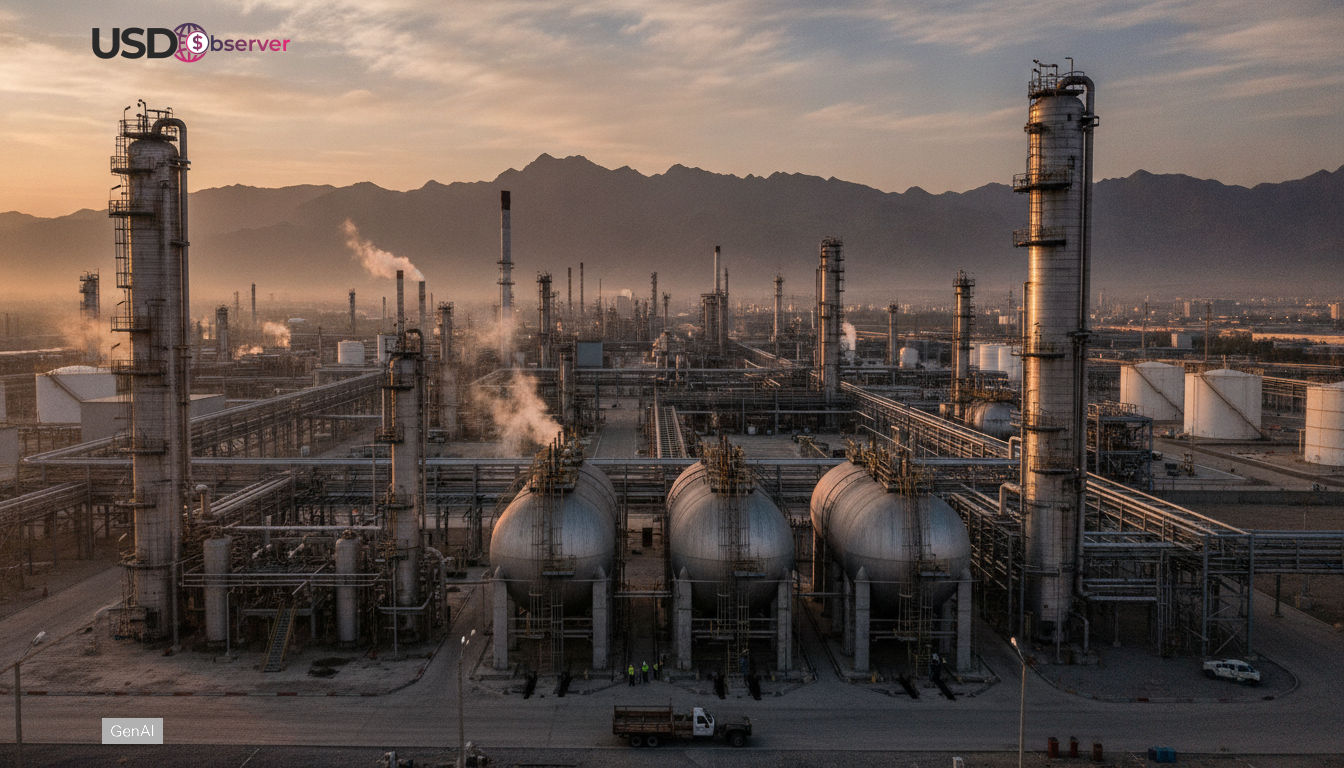
The Strait of Hormuz has acted as the market’s stress test, because any threat to passage instantly resets expectations for energy availability and shipping reliability. Even without a full closure, rerouting, convoying, and higher security requirements raise voyage times and squeeze tanker supply. That feeds directly into refining margins, air and sea freight surcharges, and the cost base for manufacturers far from the Gulf. A parallel concern is payment friction when compliance checks tighten, and traders look for workarounds that still clear banks. Reporting has also noted proposals that hint at new tolling mechanisms, including the debate outlined in Iran weighs crypto tolls for Strait of Hormuz ships, which underscores how chokepoints can spill into finance. The key point is that an Update in routing costs becomes a broad inflation impulse that lingers.
Challenges in Economic Recovery Post-Conflict
Economic recovery does not restart at the moment a pause is announced, because balance sheets have already absorbed higher input costs and broken delivery promises. Firms that relied on just in time inventory are rebuilding buffers, and that ties up working capital that would otherwise fund expansion. Banks respond by tightening terms for trade finance, while insurers reassess wartime clauses and reprice exposure across routes that share similar risk profiles. The result is a recovery path that looks slower and more uneven, with stronger companies consolidating volume and weaker ones losing access to credit. A second round effect comes from consumer inflation sensitivity, where fuel and imported goods influence wage demands and service prices. In that sense, Today’s calmer headlines still leave a Live hangover in corporate planning.
Global Market Reactions and Adjustments
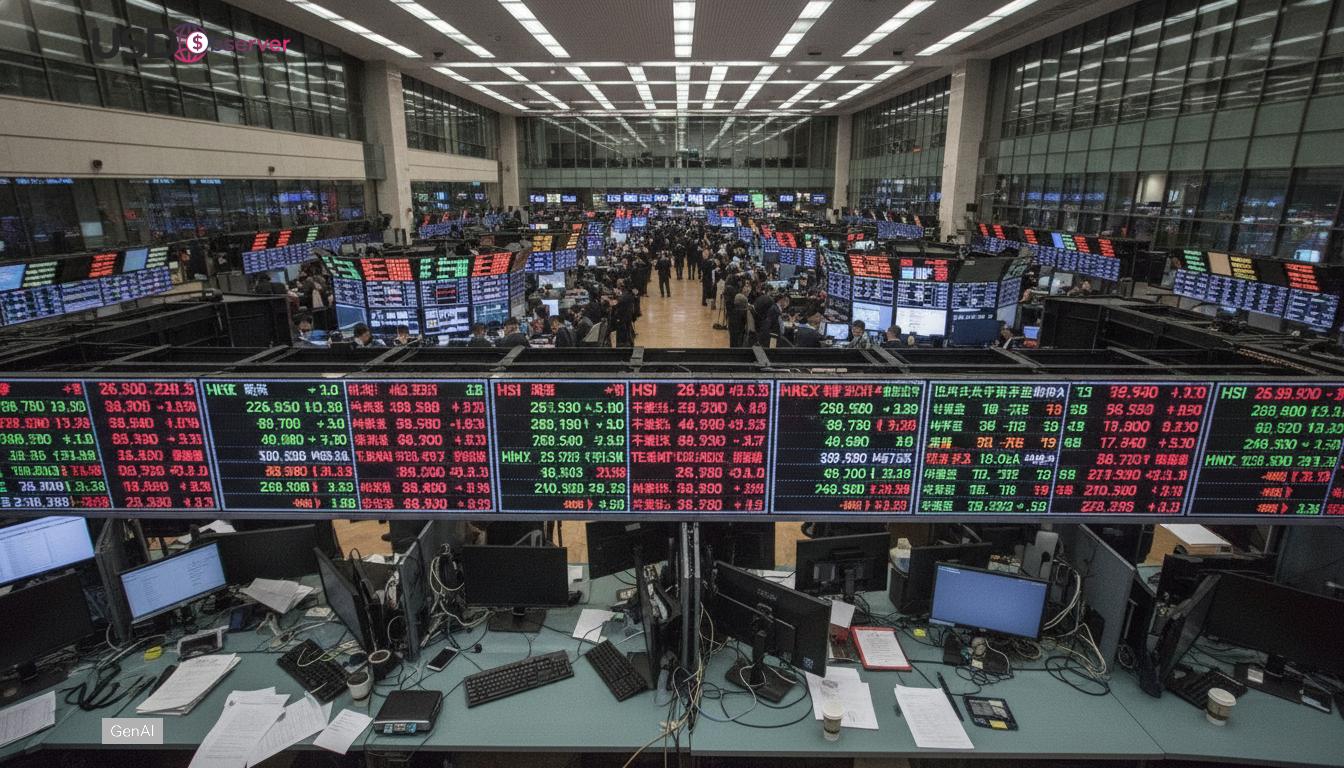
Currency and commodity screens translated conflict risk into cross asset moves, and then into hedging activity that can become self reinforcing. Energy spikes lift headline inflation expectations, which can hold up bond yields and force more active duration management by funds. At the same time, traders in forex leaned into safe haven behavior, keeping USD demand elevated while emerging market currencies faced widening risk spreads. Some desks treated industrial metals as a barometer for manufacturing confidence, and stress in those contracts echoed warnings about broader vulnerability. For context, related coverage such as Goldman Sachs warns copper at risk as Iran war threatens global economy shows how quickly geopolitics feeds into pricing for inputs beyond oil. The market’s practical adjustment is more hedging, more margin, and less tolerance for uncertainty.
Future Implications for International Trade
Trade flows are unlikely to snap back to the old map, because risk managers now treat Gulf exposure as a structural factor in procurement and shipping design. Buyers are extending supplier lists, using dual sourcing, and negotiating more flexible delivery windows, which shifts bargaining power and can raise baseline costs. Shipping firms will keep a tighter grip on capacity, and insurers will maintain more granular pricing by route, port, and cargo type, which adds friction to global trade even in quiet months. Policymakers face pressure to protect households from price shocks while avoiding measures that distort supply, a balance that affects interest rate paths and the USD outlook. For readers following an Update cycle, the most durable lesson is that the Live test of resilience arrives after the ceasefire, not during it, and Today’s recalibration sets the new normal.