Oil Markets Respond to Geopolitical Risks
Oil traders opened the week with an oil price fluctuation pattern that reflected tightening risk limits rather than a clear directional bet. Brent and WTI moved in narrow ranges as options markets priced higher near term volatility, with front month contracts reacting to incremental headlines rather than inventory data. Today, dealers described liquidity as thin during early sessions, amplifying small order flow into noticeable swings. The latest Live pricing screens showed brisk two way trade across prompt spreads, indicating hedgers were active but not chasing momentum. Pricing behavior suggested that geopolitical risk premia were being marked up and then quickly faded when no operational disruption followed, leaving benchmarks prone to sharp intraday reversals.
Impact of Strait of Hormuz on Global Supply
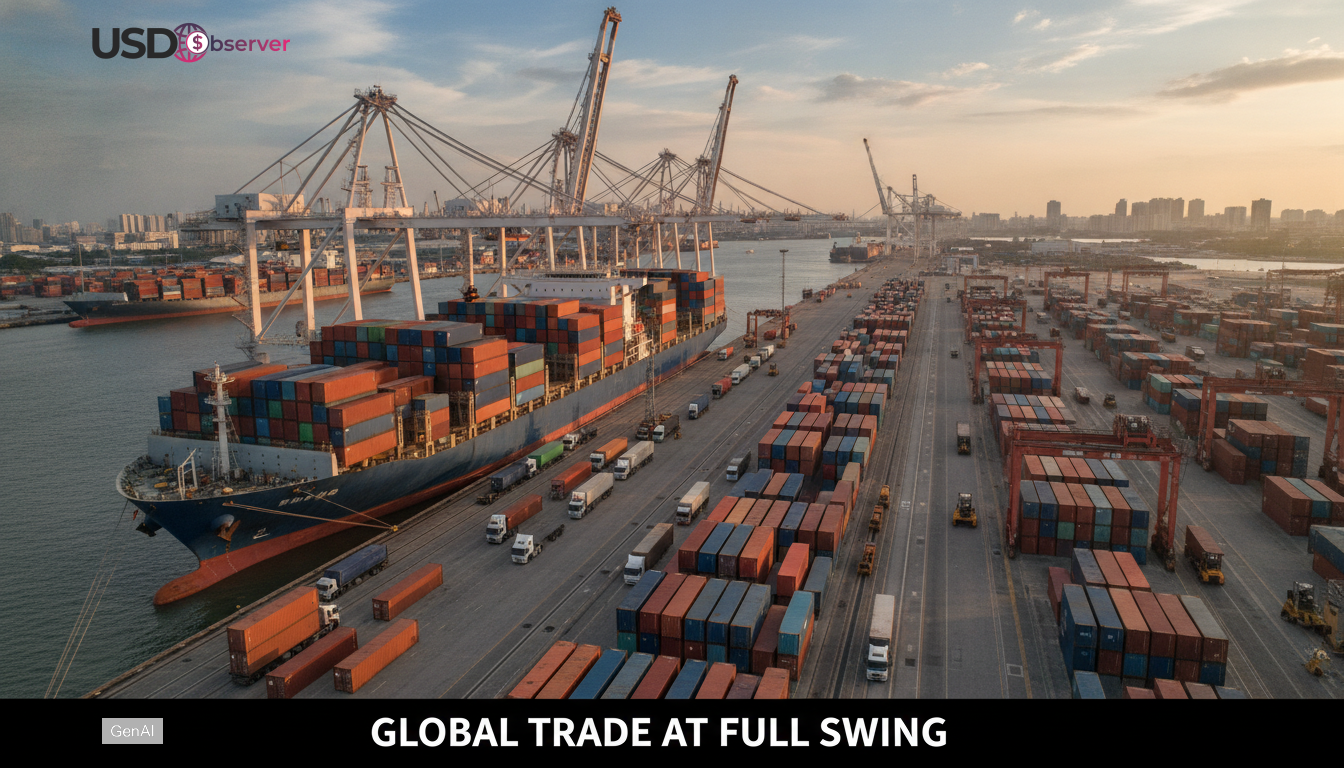
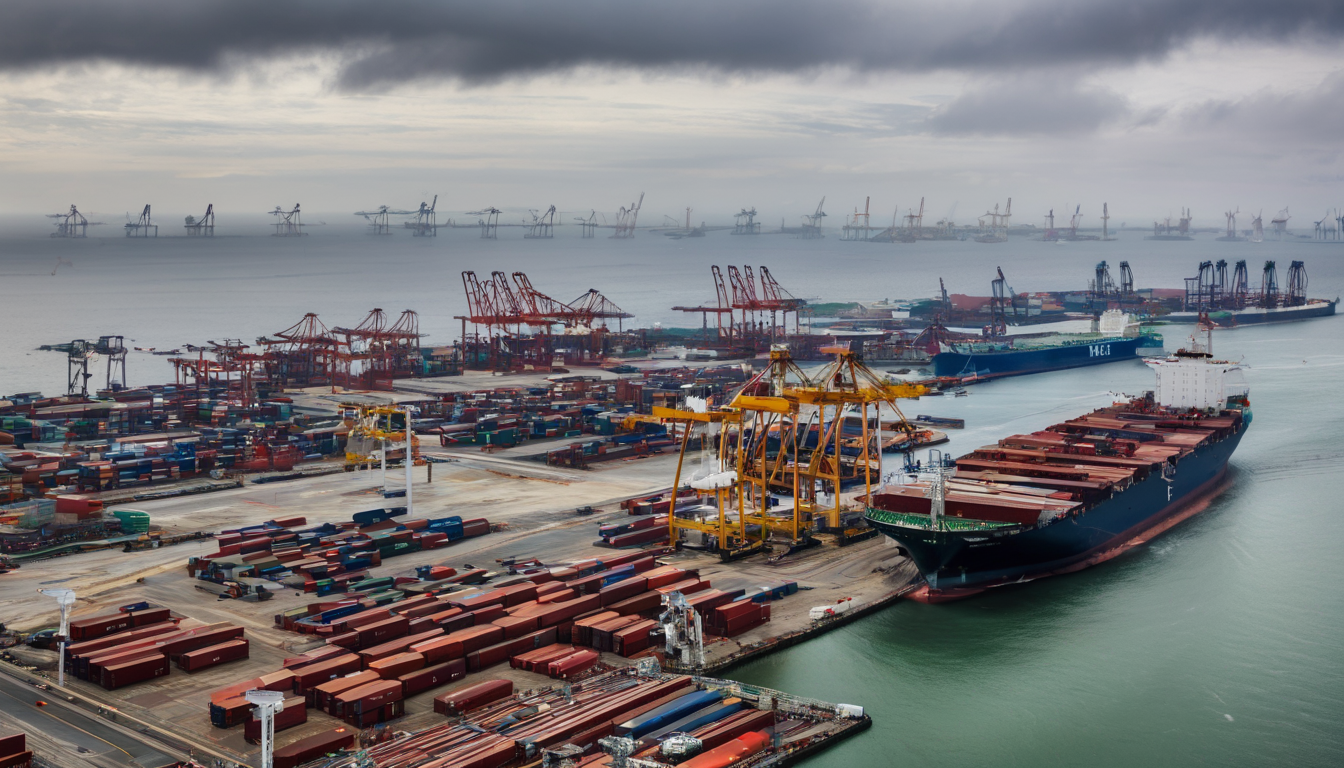
The Strait of Hormuz remained the focal chokepoint for physical market anxiety, because even a short lived disruption would immediately tighten prompt supply in Asia and Europe. Freight rates and short dated time spreads ticked wider as chartering desks built in contingency costs, while refiners sought optionality through alternative grades. A separate Update on cross asset positioning showed energy risk feeding into broader dollar demand when headlines spiked, reinforcing the USD link to commodity risk sentiment. In parallel coverage of market plumbing and collateral flows, one relevant example of how sudden constraints can ripple through pricing can be seen in Tether freezes $182M USDT, tightening market control, which traders cited as a reminder that liquidity conditions can shift fast.
Iran’s Strategic Position in Energy Routes
Iran’s location and its control over key coastal infrastructure give it leverage over shipping routes that matter most when US-Iran tensions rise. In practical terms, the market focuses on whether threats translate into measurable interference, such as delayed transits, rerouted tankers, or higher insurance premia, all of which show up first in differentials and freight. Today, refiners in the Mediterranean and parts of Asia leaned on term contracts and sought flexibility in cargo timing, limiting immediate spot bids but increasing the value of optional barrels. The Live chatter on trading desks centered on verification, not rhetoric, with attention on vessel tracking and port activity rather than political statements.
US Policy and Oil Price Volatility
US policy messaging has been the key driver of headline sensitivity, because the Trump Iran deal deadline frames the market’s sense of binary outcomes. Traders treated each official comment as a catalyst for recalibrating sanction risk and the probability of retaliatory steps, which is why the tape has been jumpy even when fundamentals look stable. Reuters reporting has been widely cited for real time confirmation of policy moves, while oilprice.com analysis has been used to gauge how refiners and producers are repositioning. Another Update from currency desks pointed to concurrent hedging in USD pairs, linking crude volatility with broader forex risk management and reinforcing the correlation spikes seen during political stress.
Future Projections for Oil Market Dynamics
Near term pricing is likely to stay range bound but reactive, with implied volatility elevated until clarity arrives on enforcement posture and any follow through in the Gulf. The base case among physical traders is continued flow, but with a persistent premium embedded in prompt barrels as a hedge against shipping disruption and policy surprises. Live market depth will remain a constraint, meaning that sudden order imbalances can still produce outsized candles even if the end of day settlement looks tame. For related context on how geopolitics has already impacted crude, see Oil prices swing as Iran war risk rattles markets. Separately, US Dollar Bulls Target Break Above 100 as global economy faces mounting pressure shows how dollar strength can tighten financial conditions for commodity buyers.
Positioning data signaled a market balancing two risks at once, paying for protection while avoiding over commitment ahead of the deadline window. The result has been oil price fluctuation that looks disorderly intraday but rational across the curve, with premiums concentrated in the front and less conviction further out. Cross market signals mattered, too: when equities softened, crude often followed, but when shipping related headlines hit, crude decoupled and repriced rapidly. An Update in risk notes highlighted that producers have been more active in forward hedging during spikes, adding supply to rallies and smoothing longer dated prices. For additional reporting on the same theme, Oil prices surge as Iran conflict hits global shares captures how spillovers can accelerate when uncertainty peaks.